Old Songs, New Feels: How Desi Gen-Z Is Out-Streaming Their Parents' Record Collections
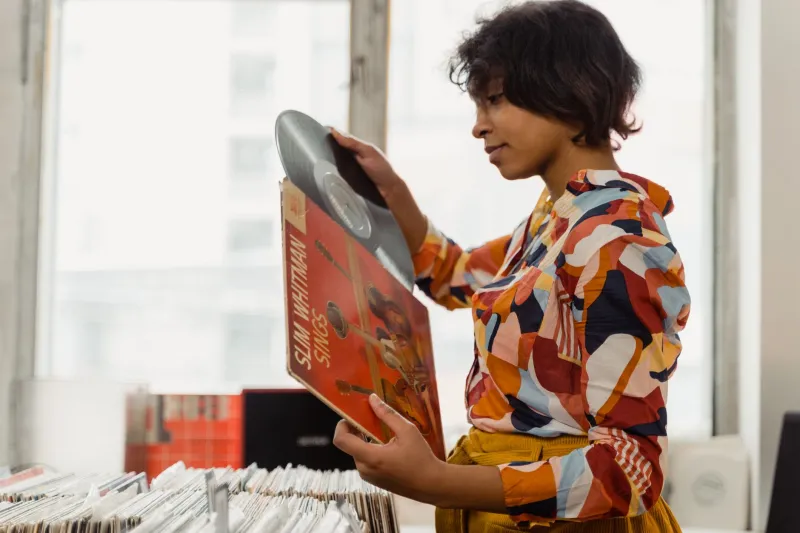
Somewhere between a Sunday afternoon biryani and a passive-aggressive comment about screen time, Priya Sharma, 22, made a confession that would have horrified her teenage self: she's been listening to her dad's old Mohammed Rafi records — voluntarily.
"I put on 'Kya Hua Tera Wada' as a joke during a road trip," she told us from her apartment in Houston. "And then I just... didn't skip it. And then I played it again. And then I cried a little. I don't know what happened to me."
What happened to Priya is happening to a whole generation of South Asian Americans right now. The algorithm giveth, and then — apparently — it giveth you a 1977 R.D. Burman deep cut you never knew you needed.
The Aux Cord War Has a Ceasefire
For decades, the family road trip aux cord was a battleground. Parents wanted Mohammed Rafi or Nusrat Fateh Ali Khan. Kids wanted literally anything else. Now, streaming has quietly dissolved that front line in the most unexpected way possible: by making everything equally, effortlessly accessible.
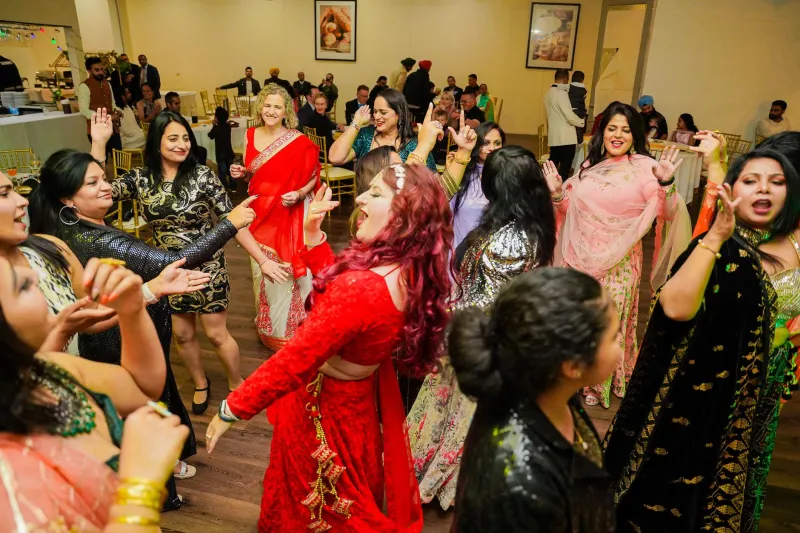
DJ Kabir Anand, a Chicago-based producer who spins at desi events across the Midwest, has watched this shift happen in real time at his shows. "Three years ago I would play an Asha Bhosle track and the aunties would go crazy while the younger crowd just stood there," he says. "Now I drop the same track and everybody's losing it. The twenty-somethings know every word. It's wild."
Spotify's own internal data has pointed toward this trend — South Asian catalog music, meaning recordings from the 1960s through the 1990s, has seen double-digit growth in streaming among listeners aged 18 to 26 in the US. Apple Music and YouTube Music tell similar stories. The gatekeeping that once required physical access to your uncle's cassette collection or a very specific desi grocery store in Edison, New Jersey, is simply gone.
The Algorithm Didn't Do This Alone
Credit where it's due: the algorithm helped, but it didn't start this. TikTok did.
When snippets of classic Bollywood songs started appearing under nostalgia edits and "desi girl aesthetic" videos, something clicked. Suddenly Lata Mangeshkar wasn't just your nani's favorite — she was a vibe. A whole mood. A sonic identity that felt more authentically you than whatever SoundCloud rapper your college roommate was into.
Mumbai-based music producer Arjun Mehta, who now splits his time between LA and India developing fusion projects, puts it plainly: "These kids grew up hearing this music in the background. It was wallpaper. And then one day they actually listened to it and realized — oh, this is genuinely incredible music. The production on a 1970s Pancham [R.D. Burman] track is insane. There's nothing basic about it."
He's not wrong. The orchestral complexity of classic Hindi film music, the microtonal nuances in Carnatic compositions, the raw spiritual weight of a Nusrat qawwali — these aren't nostalgic novelties. They're sophisticated art forms that hold up against anything contemporary. The difference is that Gen-Z desis now have the context and the curiosity to hear them that way.
Regional Sounds Are Having Their Moment
Here's where it gets really interesting. The streaming revolution hasn't just rehabilitated the Bollywood mainstream — it's blown open access to regional music that the diaspora barely knew existed.
Bengali baul folk music. Tamil Isai. Sindhi sufi devotional tracks. Bihari folk songs. Pakistani ghazals from artists who never had a major label deal. These sounds, once confined to specific regional communities or older generations who carried them across the ocean, are now discoverable by a 19-year-old in Atlanta who has never set foot in the subcontinent.
Farah Hussain, a second-generation Bangladeshi American from Queens who runs a music discovery newsletter called Dhakai Beats, has built a following of over 8,000 subscribers by curating exactly this kind of music. "My parents listened to Runa Laila and Sabina Yasmin, but I had no access to that growing up in New York," she says. "Now I can find live recordings from the 1980s on YouTube. I can find obscure baul artists from Sylhet. It completely changed my relationship to my own heritage."
For Farah, music became a portal. For a lot of young South Asian Americans, it's functioning the same way.
The Fusion Kids Are Confusing Everyone (In the Best Way)
Of course, discovery doesn't just lead to preservation. It leads to creation. And what's being created right now in desi American bedrooms and home studios is genuinely hard to categorize — which might be the whole point.
Take artists like Priya Ragu, Raveena, or the production collective behind some of the more experimental tracks floating around South Asian SoundCloud circles. They're pulling from Carnatic scales, sampling vintage Bollywood, layering it over trap hi-hats and lo-fi textures, writing lyrics that switch between English, Hindi, and Tamil mid-verse. Is it R&B? Is it Bollywood? Is it folk? The answer is yes, and also none of the above.
DJ Kabir calls it "third-culture music for third-culture people." It doesn't need a genre bin. It just needs speakers.
"When I play a fusion set now, I don't think about categories," he says. "I think about feeling. A Kishore Kumar hook into a Drake-style beat drop — if it hits, it hits. The aunties and the cousins are both on the floor. That's the goal."
Your Parents Were Right (Sort Of)
Nobody is more quietly smug about all of this than the parents themselves. Every South Asian American who has ever been told to "turn that noise down" and listen to "real music" is now watching their kid rediscover the very playlist they were pushing for years.
Priya's dad, when told about her Mohammed Rafi road trip moment, reportedly said nothing. He just went to his room and came back with a carefully organized binder of CD liner notes he'd been keeping since 1998.
"He had notes on every album," Priya says. "Who played which instrument. What year. Context about the film. He's been waiting his whole life for someone to care."
That handoff — that moment of musical inheritance actually being received — might be the most quietly profound thing happening in South Asian American households right now. The algorithm didn't manufacture it. It just finally got out of the way.