From Bollywood Beats to Broadway Lights: The South Asian Artists Transforming American Theater
For decades, the image of a South Asian face on an American stage was a novelty — a curiosity, even. If a desi character appeared at all, they were often a punchline, a stereotype, or a background note in someone else's story. But something has shifted, and it didn't happen overnight. It happened through years of hustle, cultural pride, and a refusal to shrink.
Right now, in rehearsal rooms from New York City to Chicago to Los Angeles, South Asian artists are doing something genuinely historic: they're not just participating in American theater — they're rewriting its DNA.
The Roots Run Deep
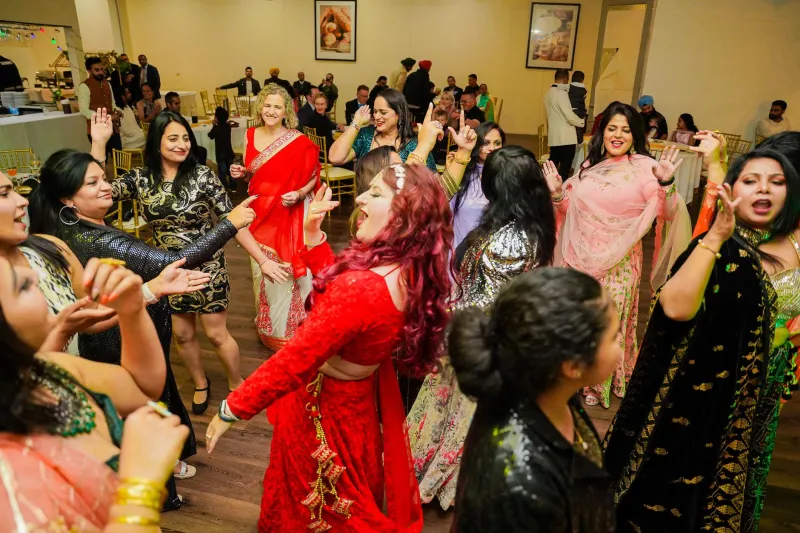
To understand what's happening on stages today, you have to go back to the living rooms and community centers where it all started. For many South Asian Americans growing up in the diaspora, performance was never optional — it was survival. Dance recitals at the local temple. Bollywood lip-sync competitions at Diwali festivals. Singing lessons squeezed between SAT prep and AP classes.
What looked like cultural obligation was actually training. Rigorous, embodied, deeply technical training.
Bharatanatyam, one of the oldest classical dance forms in the world, demands years of discipline — the kind of physical and rhythmic precision that any Broadway choreographer would respect immediately. Kathak, with its spinning footwork and expressive storytelling, is essentially acting through movement. And then there's the Bollywood vocabulary itself: a fusion of folk traditions, classical forms, and cinematic spectacle that has always been wildly theatrical at its core.
These weren't just hobbies. They were foundations.
Breaking the Mold on Broadway
The Broadway landscape has started — slowly, imperfectly, but genuinely — to reflect this reality. Productions like Monsoon Wedding (adapted from Mira Nair's beloved film) brought South Asian storytelling to Lincoln Center's stage with an unapologetically desi aesthetic. Suffs, the musical about the women's suffrage movement, featured South Asian performers in prominent roles, and the conversation around casting has fundamentally changed.
But the most exciting shifts aren't always happening in the biggest houses. They're happening Off-Broadway, in regional theater, in immersive productions and devised works where South Asian artists have more creative control — and are using it.
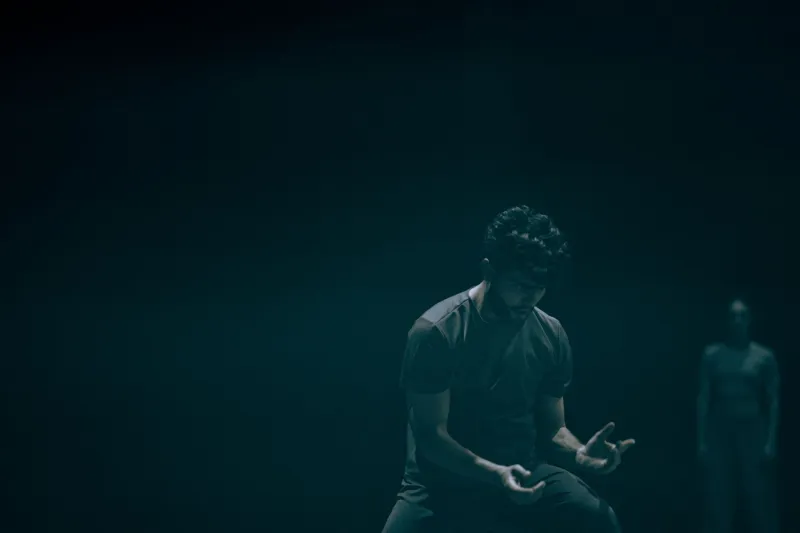
Choreographers trained in classical Indian dance forms are collaborating with contemporary dance companies to create movement vocabularies that American audiences have never seen before. Composers are weaving ragas and tabla rhythms into original scores, creating soundscapes that feel both ancient and completely new. Playwrights are mining the specific, hilarious, heartbreaking experience of the South Asian diaspora and finding that those stories resonate far beyond their own communities.
The Craft Behind the Curtain
What makes this moment different from previous attempts at "diversity in theater" is the level of craft these artists bring — and the insistence that South Asian artistic traditions be treated as equals to European theatrical conventions, not as exotic add-ons.
Take the concept of abhinaya — the classical Indian system of expressive gesture and facial expression used in dance-drama. It's essentially a complete language of theatrical communication, one that predates Stanislavski's method acting by centuries. South Asian performers trained in this tradition bring a depth of physical expressiveness to the stage that can be genuinely transformative when integrated thoughtfully into Western theatrical frameworks.
Or consider the structure of Bollywood storytelling itself: the narrative interruptions for song and dance that Western critics once dismissed as illogical are now recognized as a sophisticated form of emotional punctuation — not unlike the function of musical numbers in American musical theater. The grammar was always there. People just needed to be willing to learn it.
Real Talk: The Barriers Are Still Real
Let's not sugarcoat it. The theater industry in America still has significant structural problems when it comes to representation. South Asian artists still face typecasting, still get called in to audition specifically when a production needs "an Indian character," and still navigate an industry where the default assumption of what a leading man or woman looks like remains stubbornly narrow.
Funding is another wall. Productions centered on South Asian stories often struggle to secure the institutional support that greenlights a show from workshop to full production. The pipeline exists, but it has leaks.
And yet — the artists keep building. They're creating their own companies, producing their own work, and building audiences that the traditional theater establishment is starting to notice because those audiences have money, influence, and a hunger for stories that actually reflect their lives.
The Next Act
What's coming next is genuinely exciting. A generation of South Asian Americans who grew up watching Bollywood and going to see Broadway tours, who trained in Bharatanatyam and studied at conservatories, who feel completely at home in both worlds — that generation is hitting its stride.
They're not asking for a seat at the table anymore. They're building new tables, with better food, better music, and way better outfits.
American theater has always evolved by absorbing the cultural energies of communities that were told they didn't belong. Jazz changed musical theater. The Harlem Renaissance changed dramatic writing. The Latin explosion changed dance on stage. What South Asian artists are doing right now belongs in that lineage — and it's only just getting started.
So next time you're looking for something to see, skip the safe revival and find the show with the desi choreographer, the tabla in the score, or the playwright whose parents immigrated from Chennai or Karachi. That's where the most alive theater is happening right now.
And honestly? It always kind of was.