Three Jars Deep: The Desi Pantry Problem Nobody Talks About But Everybody Has
Let's set the scene. You're visiting your parents for the weekend. Your mom asks you to grab the haldi from the cabinet. You open the door and stare into what can only be described as a turmeric museum — two half-used plastic bags folded over with rubber bands, one glass jar from a brand that doesn't seem to exist anymore, and a brand new container still in the grocery bag from last Tuesday. All turmeric. All currently in rotation, apparently.
You say nothing. You hand her the nearest one. This is not the hill.
But it does make you wonder: how did we get here? And more importantly — why does your own apartment have two bags of coriander powder when you only cook maybe twice a week?
The Fear Is Real, And It Has a Name
There's a term therapists use: scarcity mindset. The idea that even when resources are plentiful, the memory of them not being plentiful shapes how you hoard, stockpile, and panic-buy. For first-generation South Asian immigrants, this isn't abstract psychology — it's Tuesday.
A lot of desi parents came up in environments where certain spices weren't available at all, or were available only at specific stores that required a forty-five-minute drive and a very specific shopping window. You didn't run out of hing and then just pop over to Whole Foods. You planned. You bought extra. You bought extra of the extra.
That instinct doesn't disappear when the Indian grocery store opens up three miles away. It calcifies. It becomes family policy. The cabinet is the insurance plan.
Ask any first-gen desi parent why they have four containers of red chili powder and you'll get some version of the same answer: "What if I need it?" The follow-up question — need it when, exactly, given that you have four of them — is not considered relevant.
The Gifting Economy Nobody Accounts For
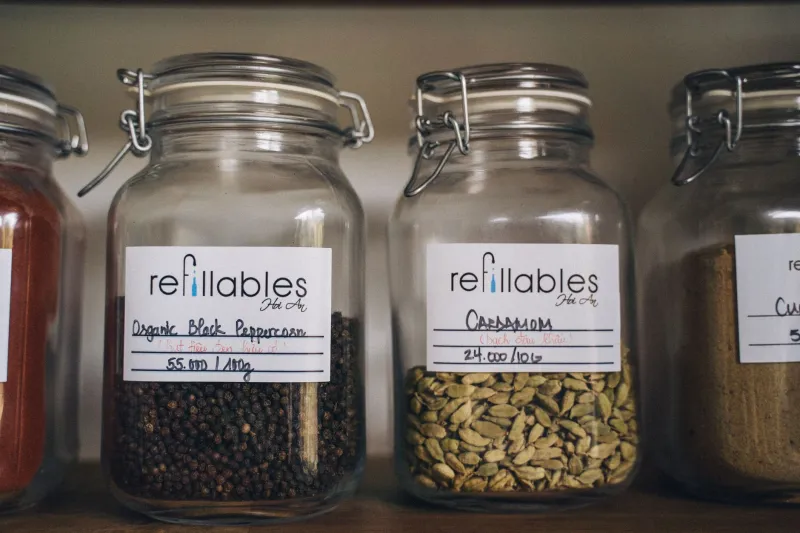
Here's the other thing nobody talks about: spices are gifts. Specifically, they're the gift you bring when you visit someone's house and you want to be thoughtful but not showy. A nice tin of cardamom. A bag of fresh methi from the Indian store. A jar of pickle somebody's aunt made that technically needs to be refrigerated but has been sitting in a tote bag for six hours.
These gifts arrive constantly. They get absorbed into the pantry with no inventory check. Nobody is auditing the cumin situation before accepting more cumin. That would be rude. You say thank you, you find a spot, and now you have five.
Second-gen desis who host their own dinner parties are starting to realize they've inherited this economy without meaning to. A friend comes over, brings a bag of whole spices from that one spot in Devon Avenue or Artesia or Jackson Heights, and suddenly you have duplicates too. The cycle continues. You are your mother now. Congratulations.
The Brand Loyalty Rabbit Hole
Ask a desi home cook whether brand matters for spices and prepare for a twenty-minute conversation. Because yes, actually, it matters enormously, and different brands are used for different things, and that is not the same as having duplicates, thank you very much.
MDH for certain masalas. Everest for others. The store-brand stuff for everyday cooking. The fancy organic one for when guests are coming. The old reliable from the restaurant supply store that comes in a bag the size of a throw pillow. These are not the same product. They are a curated collection.
This logic is, genuinely, not wrong. Spice quality varies wildly. Freshness matters. Some blends really do taste different depending on the source. The problem is that this very reasonable position becomes the justification for an ever-expanding pantry that no one can fully navigate without a map.
Second-gen desis who've started cooking seriously tend to fall into this exact trap, just with a different aesthetic. They're buying from Diaspora Co. and Burlap & Barrel and that small-batch masala brand they found on Instagram, while also keeping the MDH their mom sends because you don't throw away what your mom sends. The pantry grows. The logic multiplies.
The Ones Who Tried to Break the Cycle
Some second-gen desis went full minimalist. One spice, one container, labeled, organized, rotated properly. They read the articles. They watched the videos. They bought the matching jars. They felt very good about themselves for approximately three months.
Then Diwali happened. Someone brought gifts. Their mom visited and "just added a few things." They found a new brand they wanted to try. The matching jars are now supplemented by bags and tins and a random container from a grocery run that didn't fit the system.
The pantry always wins.
The desis who seem to actually manage it are the ones who leaned into a different approach entirely: regular cooking, regular rotation, and a genuine willingness to throw things out when they're past their prime. That last part is the hardest. Throwing away spices feels wasteful in a way that's almost physically uncomfortable for anyone raised in a household where food waste was treated as a moral failing.
But here's the thing — an old, flavorless jar of garam masala that's been sitting in the cabinet for three years isn't actually useful. It's just there. And there's a difference.
The Audit Nobody Asked For But Everybody Needs
If you want to actually understand your pantry situation, the move is simple: take everything out, put it on the counter, and look at it. All of it. The bags, the jars, the tins, the mystery container with no label that you're pretty sure is ajwain but could also be something else entirely.
Most desi households, when they do this, find somewhere between two and five duplicates of their most-used spices. Cumin and coriander are almost always represented multiple times. Turmeric shows up in every form — whole, powder, fresh root if someone's been to the farmers market recently. Chili powder exists in at least three heat levels with no labeling to indicate which is which.
This is not a problem to be solved so much as a condition to be understood. The duplicate spice situation is a physical archive of how your family cooks, what they worry about, who they've welcomed into their home, and what comfort looks like when it's measured in pantry depth rather than square footage.
Your parents didn't accidentally buy three bags of cumin. They built a buffer against uncertainty, one jar at a time. And honestly? Given everything they were navigating when they first got here, that buffer probably earned its place.
You can organize the cabinet. You can label the jars. You can implement a first-in, first-out rotation system like some kind of spice inventory manager.
Or you can accept that the duplicates are part of the deal, cook something good, and stop counting the cumin.
Some audits don't need a conclusion. They just need dinner.