Likes, Lentils, and a Ring Light: Inside the Desi Creator Boom Nobody Saw Coming
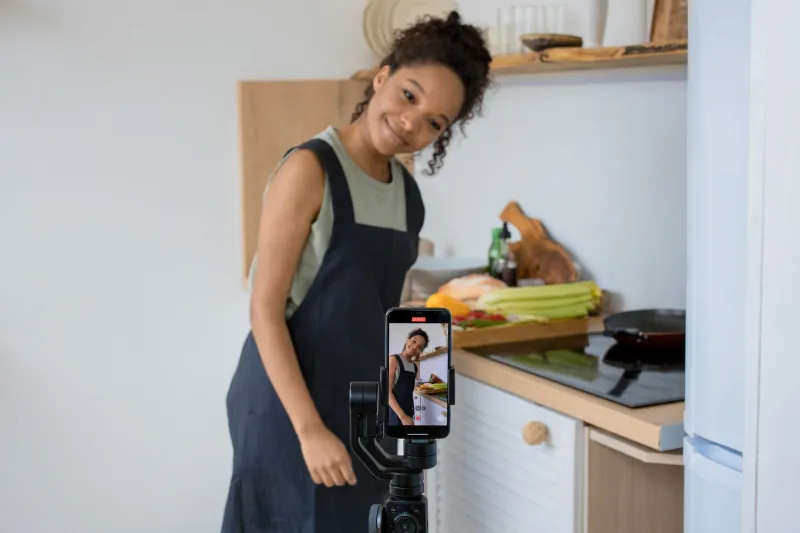
Somewhere between a Trader Joe's haul and a reel about how to make your mother-in-law's biryani without crying, a quiet economic revolution is happening. South Asian creators — aunties, Gen-Z comedians, finance bros with kurtas, and beauty influencers who actually know their undertones — are building real businesses out of cultural identity. And the algorithm, for once, seems to be paying attention.
The Numbers Don't Lie
The South Asian diaspora in the US is roughly 5.4 million people strong, and that's before you factor in the much broader audience of non-desi viewers who are genuinely, enthusiastically here for the content. South Asian food, fashion, music, and wellness have crossed over in a big way — and brands have noticed.
Creators who would have been considered "niche" three years ago are now landing partnerships with Sephora, Whole Foods, and major streaming platforms. The "desi creator" lane, if you want to call it that, has gone from a curiosity to a category.
But what does it actually look like from the inside?
Your Algorithm Has a Masala Problem
Ask any South Asian creator what their first viral moment felt like, and you'll usually hear some version of the same story: they posted something deeply personal, something they almost didn't share because it felt too specific, too inside-baseball — and it exploded.
That's the paradox of the creator economy for diaspora communities. The stuff that feels most niche is often the stuff that connects hardest. A video about the particular anxiety of being the only brown person in a work meeting. A tutorial on making chai the way your nani made it. A comedy bit about the specific terror of your parents answering your phone.
Meena Krishnamurthy, a 29-year-old beauty creator based in Atlanta, started posting in 2020 during lockdown. "I was just making videos about finding foundation shades that actually worked for my skin tone," she said. "I didn't think of it as a business. I thought of it as venting."
Three years later, she has 280,000 followers across platforms and a roster of brand deals that have replaced her previous salary. "The thing is, I was solving a real problem. South Asian skin tones are wildly underrepresented in mainstream beauty content. I wasn't being niche — I was filling a gap."
When Culture Becomes Content (and Content Becomes Cash)
Here's where it gets complicated. The moment you start monetizing your identity, you introduce a tension that doesn't have an easy resolution. What's authentic? What's performance? And who gets to decide?
For South Asian creators, this plays out in specific ways. There's pressure — sometimes from audiences, sometimes from brands — to lean into certain aesthetics. The warm kitchen. The colorful dupatta. The dramatic family story. These things aren't fake, but they're also not the whole picture, and creators who've been doing this for a while talk openly about the editing decisions they make.
"I've been offered deals where the brief was basically 'be more Indian,'" said one creator who asked to remain anonymous. "Like, wear traditional clothes in the video, reference your heritage more. And I had to ask myself — is this me expanding my expression, or is this me performing for someone else's comfort?"
That line is different for everyone. Some creators lean fully into cultural specificity and find it liberating. Others keep their cultural identity present but refuse to let it be the entire product. Neither approach is wrong. But the negotiation is real, and it's ongoing.
The Aunties Are Winning, Actually
One of the most genuinely delightful developments in the desi creator space is the rise of the older South Asian woman as a content force. We're talking about the aunties — the ones who never planned to be influencers, who learned to film themselves on iPhones with help from their grandchildren, and who are now absolutely cleaning up on YouTube with cooking channels that feel like a warm hug and a mild scolding at the same time.
Channels run by South Asian women in their 50s and 60s — sharing recipes, home remedies, and life advice with zero filter — are pulling millions of views. Their secret? They are not trying to be relatable. They just are, and that authenticity is almost impossible to manufacture.
Brands haven't fully figured out how to work with this demographic yet, which is honestly their loss. The audience trust these creators have built is extraordinary.
The Finance and Hustle Lane
Not all desi creators are in the food and beauty space. There's a growing wave of South Asian finance and entrepreneurship creators — people breaking down investing, immigration, and career strategy for diaspora audiences who weren't taught this stuff in school and definitely didn't get it from their parents.
This lane is particularly interesting because it sits at the intersection of cultural specificity and universal utility. A video about navigating H-1B visa transitions while building wealth speaks directly to a South Asian experience but draws in anyone in a similar situation. The cultural context becomes the hook; the information is the value.
What Happens When the Algorithm Changes?
Every creator, desi or otherwise, lives with the same existential anxiety: the platform could shift tomorrow. TikTok's future in the US has been uncertain for years. Instagram's reach has fluctuated wildly. YouTube remains the most stable, but it's also the most demanding in terms of production.
Smart South Asian creators are diversifying — building email lists, launching Substacks, selling digital products, and moving toward community models that don't depend on any single platform's goodwill. The ones who treat it like a real business, not just a following, are the ones building something durable.
The Culture Was Always the Product
Here's the thing nobody says out loud enough: South Asian culture has been influencing American food, fashion, wellness, and music for decades. The difference now is that South Asian people are the ones getting paid for it.
The desi creator economy isn't just an entertainment story. It's a reclamation story. And whether it's your cousin's cooking channel or a full-scale media brand built from a ring light and a lot of charisma, it's worth paying attention to.
The algorithm didn't discover South Asian culture. South Asian creators just finally got loud enough that it had no choice but to listen.